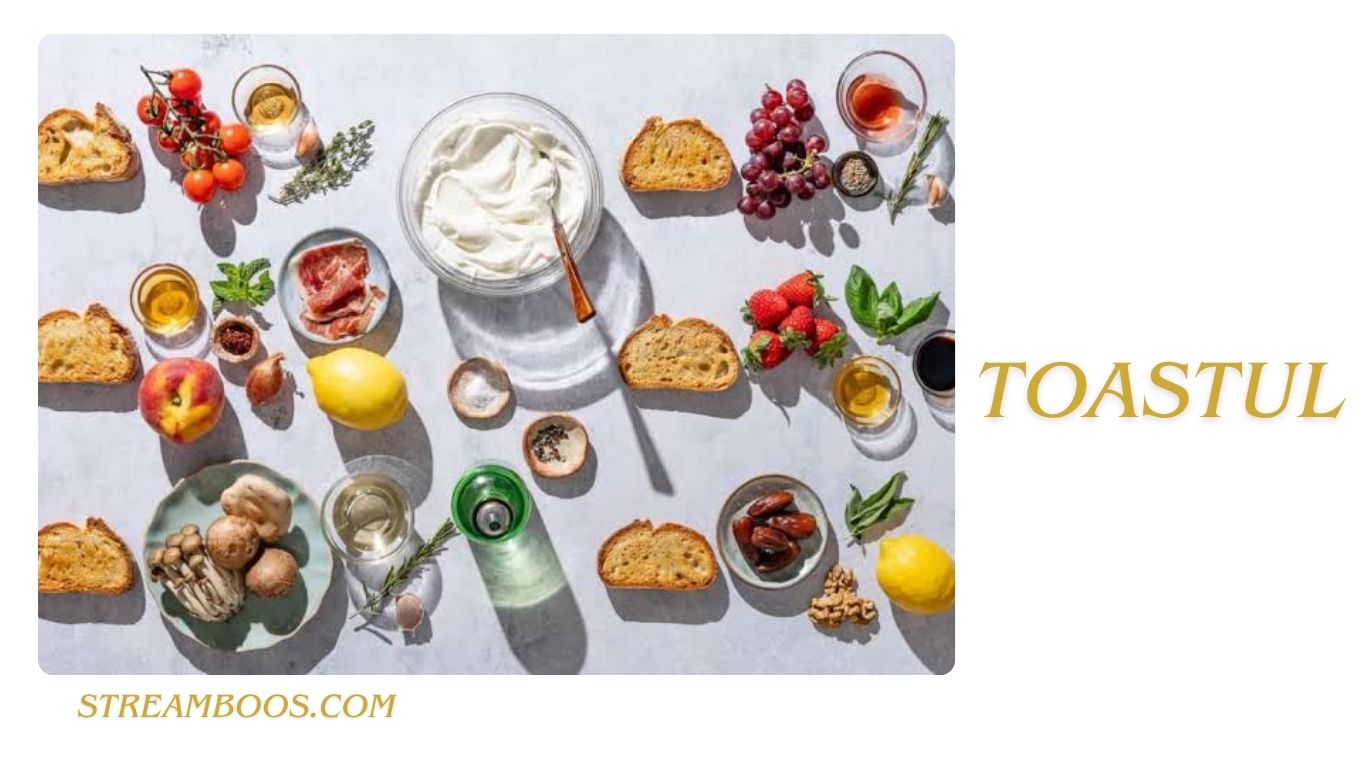
Toastul: Meaning, Food Concept, Ingredients, and Complete Guide
Toastul is a modern food concept built around a simple idea: take toasted bread and turn it into a more complete, carefully layered meal. Instead of treating toast as only a side dish or breakfast item, Toastul presents it as a flexible base for different flavors, textures, and ingredients.
The word “Toastul” may be used as a food-style term, a brand-style name, or a search keyword depending on the context in which someone encounters it. Because newer food concepts and online food terms can develop quickly, it is useful to understand the idea without assuming that every reference to Toastul points to the same business, restaurant, product, or website.
At its core, Toastul represents the evolution of toast from a basic food into a more thoughtfully assembled meal. The concept can include quality bread, spreads, vegetables, proteins, cheeses, herbs, sauces, fruits, and other toppings. The goal is usually to create a balance between a crisp or warm bread base and flavorful layers placed on top.
What Is Toastul?
Toastul can be understood as a premium toast-based food concept in which toasted bread becomes the foundation of a carefully layered meal.
Traditional toast is often served with butter, jam, peanut butter, eggs, or another simple topping. A Toastul-style approach can go further by combining several ingredients to create different tastes and textures in one serving.
For example, a toast-based meal may combine:
- A thick slice of sourdough or multigrain bread
- A creamy spread
- Fresh vegetables
- A protein source
- Cheese
- Herbs or seasonings
- A finishing sauce
- Seeds, nuts, or other texture-focused toppings
The exact ingredients can vary widely. There is no single universal Toastul recipe that defines the entire concept.
This flexibility is one reason toast-based foods remain popular. Bread is relatively simple, but it can support sweet, savory, spicy, fresh, creamy, or crunchy ingredients.
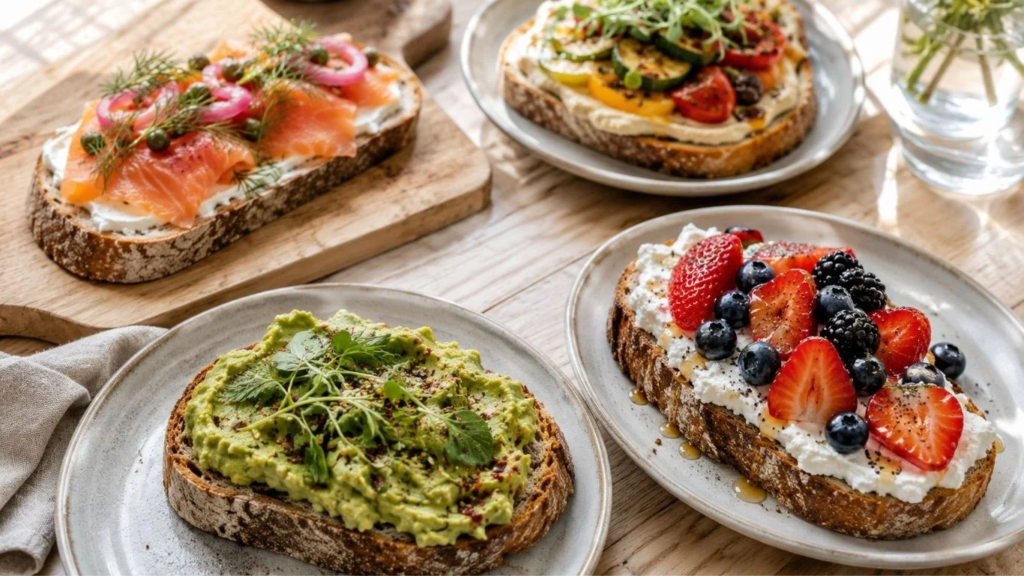
Why Is Toastul Considered a Premium Food Concept?
The word “premium” does not necessarily mean expensive. In food marketing and restaurant culture, premium often refers to the quality, presentation, preparation, or combination of ingredients.
Toastul can be considered premium when attention is given to details such as bread quality, ingredient freshness, flavor balance, and presentation.
A basic piece of toast may include one topping. A premium toast meal may be designed around several complementary elements.
For example, a chef or food creator might think about:
- The flavor of the bread.
- The texture created by toasting.
- The spread used as a base.
- The main topping.
- The protein or vegetable component.
- The finishing ingredients.
- The visual presentation.
This layered approach makes the food feel more like a composed meal than an ordinary piece of toast.
The Basic Structure of a Toastul Meal
One useful way to understand Toastul is to break the food into layers.
Also Read:Pentikioyr: Meaning, Principles, Uses, and Complete Guide
The first layer is the bread. This provides structure and carries the other ingredients.
The second layer is often a spread. Examples can include avocado, hummus, cream cheese, nut butter, yogurt-based spreads, or other sauces.
The third layer adds the main flavor. This could be eggs, vegetables, cheese, chicken, smoked fish, fruit, or another ingredient.
The final layer may provide contrast. Seeds, herbs, spices, pickled vegetables, nuts, honey, or sauces can add additional flavor and texture.
This structure is not a strict rule. It simply explains why layered toast can feel more complete than ordinary toast.
What Types of Bread Work Best for Toastul?
Bread selection can strongly influence the final result.
Sourdough is popular for premium toast because it has a firm structure and noticeable flavor. It can support heavier toppings without becoming too soft.
Multigrain bread is another useful option. It can add a hearty texture and works well with savory toppings.
Whole-grain bread can be suitable for people who prefer a more substantial bread choice.
Brioche can work especially well with sweet toast combinations because of its soft texture and slightly rich flavor.
Ciabatta and other rustic breads may also be useful when the goal is a more substantial café-style meal.
The most important factor is usually structure. Bread that is too thin or fragile may not hold several layers effectively.
Popular Toastul Flavor Combinations
Because Toastul is based on a flexible food format, there can be many possible flavor combinations.
A savory version might combine avocado, eggs, tomatoes, herbs, and a light seasoning.
Another combination could use hummus, roasted vegetables, greens, and seeds.
A protein-focused version could include chicken, cheese, vegetables, and a flavorful sauce.
Sweet versions can use ingredients such as nut butter, banana, berries, honey, cinnamon, or yogurt.
The strongest combinations usually balance different qualities rather than adding as many ingredients as possible.
For example, creamy avocado can work well with crisp vegetables. Sweet fruit can pair with salty or nutty ingredients. A rich spread may benefit from something acidic or fresh.
This balance is an important part of modern food preparation.
Toastul for Breakfast
Breakfast is one of the most natural settings for a Toastul-style meal.
Toast has long been associated with breakfast in the United States. However, modern breakfast menus increasingly feature meals that combine several ingredients rather than serving individual foods separately.
A breakfast Toastul might include eggs, avocado, tomatoes, greens, cheese, or a protein ingredient.
A sweet breakfast version might include peanut butter, banana, berries, cinnamon, or honey.
The advantage is convenience. A properly assembled toast meal can provide bread, toppings, protein, fruit, and vegetables in one easy-to-eat format.
However, the nutritional value depends entirely on the ingredients and portion sizes.
Toastul as a Lunch Option
Toast does not have to be limited to breakfast.
A thicker slice of bread with substantial toppings can become a convenient lunch. This is particularly useful for people who want something lighter than a traditional sandwich but more filling than plain toast.
Lunch combinations can include:
- Chicken and vegetables
- Hummus and roasted vegetables
- Avocado and eggs
- Tuna and greens
- Turkey and cheese
- Beans and vegetables
- Cottage cheese and tomatoes
The important consideration is whether the toppings provide enough protein and other nutrients to make the meal satisfying.
Adding vegetables can increase variety, while protein-rich foods may improve fullness.
Sweet and Savory Toastul Ideas
One of the most interesting features of the Toastul concept is the ability to move between sweet and savory flavors.
Savory combinations often use vegetables, eggs, cheese, beans, chicken, herbs, or sauces.
Sweet combinations can use fruits, nut butters, yogurt, honey, cinnamon, or similar ingredients.
There is no need for toast to belong exclusively to one category.
For example, a breakfast menu could offer both a savory egg-and-avocado toast and a sweet berry-and-yogurt toast.
This flexibility makes toast appealing to different age groups and eating preferences.
Is Toastul Healthy?
Toastul itself should not automatically be considered healthy or unhealthy.
The nutritional quality depends on the ingredients used.
A toast meal made with whole-grain bread, vegetables, a protein source, and moderate amounts of healthy fats can fit into a balanced diet.
On the other hand, a version containing large amounts of high-calorie spreads, sugary toppings, processed meats, cheese, or sauces may contain substantially more calories, saturated fat, sodium, or added sugar.
Portion size also matters.
For people comparing menu choices, it can be useful to look at the full ingredient list rather than judging a food only by its name.
Toastul Nutrition: What Should Consumers Look For?
When evaluating a Toastul-style meal, consumers can look at several basic nutrition factors.
Protein is important because it can contribute to fullness and support normal body functions. Eggs, beans, dairy products, poultry, fish, and some plant-based foods can provide protein.
Fiber can come from whole grains, fruits, vegetables, beans, seeds, and nuts.
Healthy fats can come from foods such as avocado, nuts, seeds, and certain plant oils.
Sodium can become a concern when foods contain processed meats, salty cheeses, sauces, or heavily seasoned ingredients.
Added sugar can be higher in sweet versions, particularly when syrups, sweetened spreads, or dessert-style toppings are used.
For U.S. consumers, the Nutrition Facts label and ingredient list are useful tools when packaged products are involved.
How Toastul Fits Modern Café Culture
Modern cafés often focus on food that looks appealing while remaining relatively simple to prepare and customize.
Toast fits this model extremely well.
A café can use the same bread base with several different topping combinations. Customers can then choose meals based on flavor preferences.
This approach also works well for social media because colorful ingredients can make a simple dish visually attractive.
Avocado, berries, tomatoes, greens, eggs, seeds, and herbs can create strong visual contrast.
However, attractive presentation does not automatically indicate nutritional quality. Consumers should separate visual appeal from objective information about ingredients and nutrition.
Toastul and Food Customization
Customization is another important part of the broader toast trend.
People have different dietary preferences and restrictions. A customizable toast meal can make it easier to adjust ingredients.
For example, a customer may request:
- No cheese
- Extra vegetables
- A different spread
- Whole-grain bread
- A plant-based protein
- Sauce on the side
- Less sweet topping
Whether these options are available depends on the individual restaurant or food provider.
Consumers should also ask questions about allergens when necessary. Cross-contact can occur in kitchens even when a particular ingredient is not intentionally added to a dish.
Toastul and Dietary Preferences
A Toastul-style meal can be adapted to many eating patterns, but the exact suitability depends on the recipe.
Vegetarian versions can use eggs, cheese, beans, hummus, vegetables, and plant-based spreads.
Vegan versions can avoid animal-based ingredients and use foods such as avocado, hummus, vegetables, beans, nut butters, and plant-based alternatives.
Gluten-free consumers need to use certified gluten-free bread and consider preparation practices.
People with food allergies should verify ingredients and possible cross-contact with the food provider.
The name “Toastul” alone cannot tell a consumer whether a specific meal meets a particular dietary requirement.
Toastul as a Restaurant and Menu Concept
If Toastul is used as the name of a restaurant, café, food business, or menu concept, readers should verify the exact business identity before assuming that every online reference describes the same organization.
This is especially important with unfamiliar food names.
Also Read:Inomyalgia: What It Means, Causes, Symptoms, and Treatment
Search results may contain:
- Restaurant listings
- Social media accounts
- Food blogs
- Menu pages
- Reviews
- User-generated content
- Business directories
- Unofficial references
These sources can contain outdated or incomplete information.
For accurate details such as operating hours, prices, menus, locations, and ordering options, consumers should prefer an official business source when one is available.
Why the Toastul Keyword Can Be Confusing
A short keyword such as “Toastul” may have more than one possible meaning.
Someone searching for the term may be looking for a restaurant, a food concept, a menu, a recipe, a product, or general information.
Search intent can also change over time.
A person might search “Toastul” because they saw the word on social media. Another person may be trying to understand a food business they encountered online.
This is why it is risky to make strong claims about an unfamiliar keyword without checking the specific context.
Good digital research starts with identifying what the searcher is actually trying to find.
How to Search for Toastul More Effectively
People who want reliable information about Toastul can make their searches more specific.
Instead of searching only for “Toastul,” users can include words such as:
- Toastul menu
- Toastul food
- Toastul restaurant
- Toastul location
- Toastul reviews
- Toastul ingredients
- Toastul nutrition
- Toastul near me
Adding a location can also help when searching for a physical food business.
For example, a user looking for a restaurant should verify the city, address, official website, and current business information rather than relying on a single search result.
Toastul and Online Food Information
Food information spreads quickly online.
A recipe can become popular on social media. A restaurant can gain attention through short videos. A food name can become a search trend before there is much reliable information about it.
This creates both opportunities and risks.
Online content can help people discover new foods, but not every post is authoritative.
A food influencer may provide an opinion rather than verified nutrition information. A review may describe one person’s experience rather than the general quality of a restaurant.
Readers should therefore consider the source, date, evidence, and purpose of the information.
How to Evaluate a Toastul-Related Website
If a website appears when searching for Toastul, readers should evaluate it before trusting its claims.
First, look at who operates the site.
A legitimate business should generally provide clear information about its identity and services.
Second, check whether the information is current.
Menus, prices, restaurant hours, and locations can change.
Third, look for contact information and consistent business details.
Fourth, check whether claims are supported by reliable sources.
Readers should be especially careful when a website asks for unnecessary personal information, payment details, or account credentials.
A professional appearance alone does not prove that a website is trustworthy.
Toastul and Digital Safety
Searching for a food term is normally low risk, but users should still follow basic online safety practices.
Avoid entering payment information on unfamiliar websites simply because they appear in search results.
Check the website address carefully.
Be cautious with pop-ups, forced downloads, suspicious browser notifications, and requests for unnecessary personal information.
When ordering food online, it is safer to use a known official restaurant website, a reputable ordering platform, or a trusted application.
Consumers should also avoid assuming that every social media account using the Toastul name is officially connected to a food business.
Toastul Prices and Value
The price of a Toastul-style meal can vary considerably.
Factors that influence price may include:
- Bread quality
- Ingredient costs
- Protein choices
- Restaurant location
- Portion size
- Brand positioning
- Local operating costs
- Delivery fees
- Customization
Premium ingredients can increase the cost of a meal.
However, a higher price does not automatically mean better quality.
Consumers should compare portion size, ingredients, preparation, and overall value.
If a restaurant’s prices are important to a purchasing decision, checking the current menu is more reliable than relying on an old article or review.
How to Make a Toastul-Style Meal at Home
A Toastul-inspired meal can be made at home with simple ingredients.
Start by choosing a sturdy slice of bread.
Toast it until it reaches the desired level of crispness.
Add a spread such as mashed avocado, hummus, nut butter, or another preferred option.
Then add a main ingredient. This could be eggs, vegetables, beans, chicken, cheese, fruit, or another food.
Finish with herbs, spices, seeds, or a small amount of sauce.
The goal is balance rather than complexity.
A good toast meal does not need a long list of ingredients. A few well-matched ingredients can produce a satisfying result.
Common Mistakes When Preparing Premium Toast
One common mistake is using bread that is too soft for heavy toppings.
Another is adding too many wet ingredients. Excess moisture can make the toast soggy.
Flavor balance is also important.
A meal containing only rich ingredients may feel heavy. Adding something fresh or acidic can create contrast.
Another mistake is overloading the toast.
More toppings do not necessarily create a better meal. Too many ingredients can make the flavors difficult to identify and the toast difficult to eat.
Good preparation often depends on choosing fewer ingredients and combining them carefully.
The Future of Toast-Based Food Concepts
Toast-based meals are likely to remain relevant because they combine convenience with customization.
Consumers increasingly look for foods that are easy to order, visually appealing, customizable, and suitable for different eating occasions.
Toast can meet these needs without requiring an extremely complicated preparation process.
The concept can also adapt to changing food preferences.
As consumer interest changes, menus can introduce more plant-based ingredients, whole-grain options, protein-focused meals, seasonal produce, and globally inspired flavors.
This flexibility gives toast a strong place in modern café and casual dining culture.
What Makes Toastul Different From Ordinary Toast?
The main difference is the approach.
Ordinary toast is often treated as a simple side or base food.
Toastul represents a more complete concept in which the toast becomes the center of the meal.
The difference may come from ingredient quality, layering, presentation, customization, or the combination of flavors.
In other words, Toastul is less about the bread itself and more about how the bread is transformed into a complete food experience.
Toastul and the Changing Meaning of Simple Foods
Food culture often turns familiar foods into new experiences.
Toast is an excellent example because it is inexpensive, familiar, and versatile.
Adding high-quality ingredients can change how consumers perceive it.
This does not necessarily mean the food itself has become fundamentally different. Instead, preparation and presentation can change its role.
A simple piece of bread can become breakfast, lunch, a snack, or even a café signature dish depending on the ingredients used.
Toastul fits into this broader pattern of making everyday foods more customizable and experience-focused.
Key Takeaways About Toastul
Toastul can be understood as a premium, layered toast-based food concept.
Also Read:Cartetach: What It Is, How It Works, Uses, and Security
Its foundation is toasted bread, but the complete meal can include spreads, vegetables, proteins, cheeses, fruits, herbs, seeds, and sauces.
There is no single combination that defines every Toastul-style meal.
Its nutritional value depends on the ingredients, portion sizes, and preparation methods.
The concept works for breakfast, lunch, snacks, and customizable café menus.
People searching for Toastul online should confirm the context because the keyword may refer to different types of food-related content.
When researching a specific Toastul business, readers should verify current information through reliable and official sources.
Online reviews and social media can provide useful opinions, but they should not automatically be treated as authoritative facts.
Frequently Asked Questions About Toastul
1. Is Toastul a specific type of bread?
Not necessarily. Toastul is better understood as a toast-based food concept rather than one specific bread variety. Different recipes or businesses may use sourdough, multigrain, whole-grain, brioche, ciabatta, or other breads.
2. Can Toastul be served as a dinner meal?
Yes. A substantial toast meal can work for dinner when it contains enough filling ingredients. Protein, vegetables, beans, eggs, chicken, fish, or other substantial toppings can make toast more suitable for a full meal.
3. Can children eat Toastul?
Children can generally eat toast-based meals when the ingredients are appropriate for their age and dietary needs. Parents should consider choking risks, allergies, portion sizes, and the nutritional balance of the meal.
4. Can Toastul be prepared without dairy?
Yes. Dairy-free versions can use ingredients such as avocado, hummus, vegetables, beans, nut butters, and plant-based alternatives. However, consumers should check packaged ingredients and preparation practices when avoiding dairy because recipes can vary.
5. Does Toastul always contain avocado?
No. Avocado is a popular toast topping, but it is not required. Toast-based meals can use eggs, vegetables, hummus, fruit, nut butter, cheese, meat, beans, or many other ingredients.
Conclusion
Toastul represents a modern way of thinking about a very familiar food. Instead of treating toast as a simple side item, the concept turns toasted bread into a layered meal built around flavor, texture, presentation, and customization.
Its flexibility is one of its biggest strengths. A Toastul-style meal can be sweet or savory, light or substantial, vegetarian or protein-focused, depending on the ingredients selected.
For consumers, the most important lesson is to look beyond the name. The word Toastul alone does not determine nutrition, quality, price, or authenticity. Those factors depend on the specific recipe, restaurant, product, or website associated with the term.
When researching Toastul online, readers should verify business information, check current menus and ingredients, consider reliable sources, and use normal digital safety practices.
Ultimately, Toastul shows how a familiar food can be transformed through thoughtful ingredients and careful preparation. Its appeal comes from simplicity combined with creativity, making toast a flexible foundation for modern meals.