Bodenxt: Complete Guide to Boden’s Green Industrial Future
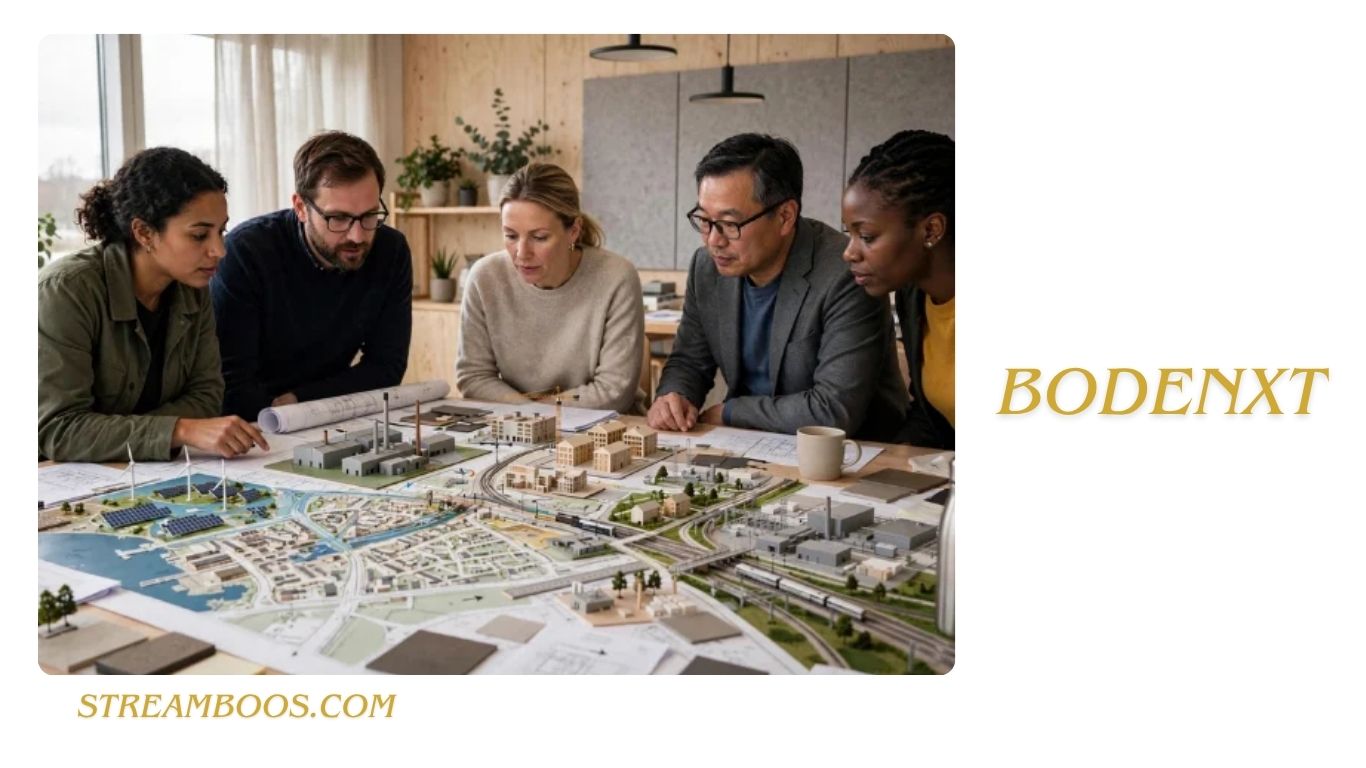
Bodenxt is a strategic platform connected to the Municipality of Boden in northern Sweden. It focuses on managing the major economic, industrial, environmental, and social changes taking place in the region. The initiative is closely connected with Boden’s goal of becoming a strong center for green industry while making sure that housing, infrastructure, skills, businesses, and community services grow alongside new investment.
The term Bodenxt can be confusing because it may look like the name of a company, product, or technology. In reality, it is better understood as a broader development platform. It brings together different parts of Boden’s transformation and helps coordinate the opportunities and challenges created by rapid industrial growth.
For people searching for Bodenxt, the most important point is that the initiative is not limited to one industrial project. Green steel, renewable energy, green hydrogen, housing, workforce development, infrastructure, circular business models, and local economic growth are all connected to the wider Bodenxt vision.
What Is Bodenxt?
Bodenxt is a development platform associated with the Municipality of Boden in northern Sweden. Its purpose is to support and coordinate Boden’s large-scale green transition.
The initiative brings several important areas together, including business development, housing, infrastructure, skills supply, sustainable industry, and community development.
This approach is important because major industrial investments affect much more than factories. When new businesses create jobs, workers need homes. New residents need schools and services. Companies need transportation and suppliers. Growing communities need stronger infrastructure.
Bodenxt is designed around this connected view of development.
The Municipality of Boden describes the initiative as a platform for the city’s green transition. The transformation has been accelerated by major industrial investment, particularly the planned green steel development by Stegra.
However, Bodenxt should not be confused with Stegra. Stegra is a company developing an industrial project, while Bodenxt represents the wider municipal transformation surrounding that development.
Why Is Bodenxt Important in Northern Sweden?
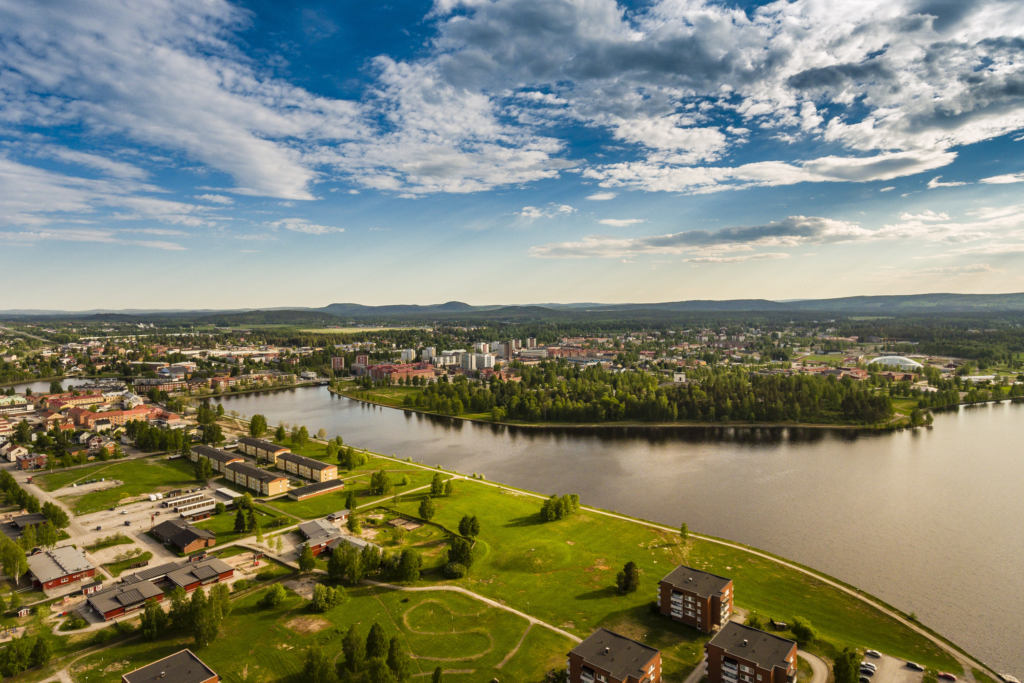
Bodenxt is important because Boden is experiencing significant industrial and economic change.
Northern Sweden has attracted major interest from companies working in areas such as green steel, renewable energy, batteries, hydrogen, and other clean technologies. The region has several advantages, including renewable electricity, available land, natural resources, transportation connections, and access to skilled workers.
Boden wants to use these advantages to create long-term economic growth.
The challenge is making sure that industrial growth also benefits the wider community.
A factory can create thousands of jobs, but the community must be ready for those workers. It may need additional housing, schools, transportation, healthcare services, retail businesses, restaurants, and other services.
Bodenxt is important because it takes this wider view.
Also Read:Insetprag: Meaning, Uses, Benefits, and Practical Guide
Instead of asking only how to attract new companies, the initiative also considers how the city can grow around those companies.
Bodenxt and the Green Industrial Transition
The green industrial transition is at the center of Bodenxt.
Traditional heavy industry can produce large amounts of greenhouse gas emissions. New technologies are being developed to reduce these emissions while maintaining industrial production.
Boden has become an important location for this movement because of its access to renewable electricity and its industrial development potential.
Green steel is one of the most visible examples.
Stegra is developing a large green steel facility in Boden. The project is designed to use green hydrogen as part of its steelmaking process, with the goal of producing steel with substantially lower carbon emissions than conventional production.
The wider Bodenxt strategy supports the community and infrastructure needed around this industrial development.
This makes Boden a useful case study in how clean industrial investment can affect an entire city.
Bodenxt, Stegra, and Green Steel
Stegra is one of the biggest projects associated with Boden’s industrial transformation.
The company was previously known as H2 Green Steel and is developing a large green steel production facility in Boden.
The planned facility is designed around green hydrogen and renewable electricity. The project has attracted international attention because steel production is one of the industrial sectors where reducing carbon emissions can be difficult.
The connection between Stegra and Bodenxt is important, but the two names should not be treated as interchangeable.
Stegra represents an industrial company and its project.
Bodenxt represents the broader municipal effort to manage the effects and opportunities of industrial transformation.
The distinction helps explain why Bodenxt includes subjects such as housing, infrastructure, workforce development, and local businesses in addition to green technology.
Bodenxt and Green Hydrogen
Green hydrogen is another important part of Boden’s development strategy.
Green hydrogen is hydrogen produced using electricity from renewable or low-carbon sources. It can be used in industrial processes where replacing fossil fuels with direct electricity may be difficult.
Steelmaking is one important example.
In the Boden industrial ecosystem, green hydrogen is connected to the planned production of lower-emission steel.
The importance of hydrogen goes beyond one factory. If hydrogen production and related infrastructure grow, other industries may also find opportunities to use hydrogen.
This could support a wider clean-energy ecosystem.
However, green hydrogen projects require significant investment, electricity, infrastructure, equipment, and technical expertise. Their success depends on many factors, including energy prices, financing, technology performance, construction schedules, and market demand.
For this reason, Bodenxt is not simply about producing hydrogen. It is about developing the community and industrial ecosystem around the wider transition.
Bodenxt and Renewable Energy
Renewable energy is one of the foundations of Boden’s green industrial ambitions.
Modern industrial facilities can require enormous amounts of electricity. If that electricity comes from renewable sources, industries can potentially reduce the carbon footprint associated with their operations.
Northern Sweden has strong access to renewable electricity, particularly hydropower.
This gives Boden an important competitive advantage when attracting energy-intensive green industries.
The basic idea is simple:
Renewable electricity can support green hydrogen production, green hydrogen can support lower-emission industrial processes, and those industries can create jobs and business opportunities.
Bodenxt connects these industrial opportunities with community planning.
This is important because energy availability alone cannot create a successful industrial region. Businesses also need workers, housing, roads, railways, digital connections, suppliers, and public services.
Bodenxt and Housing and Skills Development
Housing and workforce development are two of the most important social issues connected with Bodenxt.
Large industrial investments can create strong demand for skilled workers. These workers may come from other parts of Sweden or from other countries.
That creates an immediate need for suitable housing.
Boden has faced housing pressure as its industrial development has accelerated. A growing workforce cannot easily settle in an area where homes are difficult to find or too expensive.
Skills are another major concern.
Green industries need engineers, technicians, electricians, construction workers, maintenance specialists, logistics professionals, managers, and many other workers.
The municipality has therefore placed strong attention on education, skills development, job matching, and cooperation between industry and educational organizations.
This is a critical part of Bodenxt because industrial investment is only useful when a community has enough people with the right skills to support it.
Bodenxt and Infrastructure Development
Infrastructure is essential to Boden’s transformation.
Large industrial operations need reliable roads, railways, electricity, water systems, telecommunications, and other infrastructure.
Transportation is especially important for heavy industry.
Also Read:Fanquer: Meaning, Online Presence, Uses, Safety, and Digital Awareness
Steel and other industrial products can be large and expensive to move by road. Strong rail connections can improve logistics and help connect industrial areas with national and international markets.
Boden has been developing infrastructure around its industrial areas, including railway connections.
Infrastructure investment can also benefit local residents and other businesses.
Better roads and transportation systems can improve access to employment, services, and markets.
This demonstrates an important part of the Bodenxt model: infrastructure is not treated only as an industrial requirement. It is also part of long-term community development.
Bodenxt and Circular Economy Development
The circular economy is another important concept connected with Bodenxt.
A circular economy aims to reduce waste by keeping materials and resources useful for as long as possible.
In a traditional industrial model, resources are extracted, used, and eventually discarded.
A circular model looks for ways to reuse materials, energy, heat, water, and other resources.
Boden has opportunities to develop this type of industrial ecosystem.
For example, excess heat from industrial operations could potentially be used by other businesses. Industrial by-products may also become useful inputs for another production process.
Boden Plug & Play is part of this broader development concept. The area is intended to support sustainable businesses and circular solutions.
The goal is to encourage companies to work together rather than operate as completely separate systems.
This can create both environmental and economic benefits.
Bodenxt and Local Business Opportunities
Bodenxt can create opportunities for businesses beyond major industrial companies.
Large industrial projects require many supporting services.
These can include:
- Construction
- Engineering
- Transportation
- Maintenance
- Catering
- Cleaning
- Consulting
- Logistics
- Hospitality
- Technology services
- Professional services
Population growth can also create demand for local businesses such as restaurants, retail stores, housing services, childcare providers, and other community services.
This is why Bodenxt can be viewed as an ecosystem rather than a single project.
The economic impact of a major industrial investment can spread through many layers of the local economy.
For small and medium-sized companies, this can create opportunities to become suppliers or service providers.
At the same time, businesses should carefully evaluate contracts, demand, competition, costs, and long-term market conditions before making major investments.
Bodenxt and Sustainable Community Growth
Sustainable growth is broader than reducing carbon emissions.
A community also needs affordable housing, stable employment, strong infrastructure, education, public services, environmental protection, and social inclusion.
Bodenxt attempts to connect these different needs.
For example, industrial growth can create jobs, but those jobs are more valuable to the community when workers can find housing and access public services.
Similarly, renewable energy can attract industries, but those industries need transportation and skilled workers.
This shows why sustainable development requires coordination.
Bodenxt represents an effort to manage economic growth and community development at the same time.
Challenges Facing Bodenxt
Bodenxt also faces several challenges.
Rapid growth can create pressure on housing and public services.
A shortage of skilled workers can slow industrial development.
Large infrastructure projects can face delays and cost increases.
Green industrial projects also require significant financing and long-term market demand.
Technology can change, energy prices can move, and global economic conditions can affect industrial investment.
Environmental considerations are another important issue.
Even projects designed to reduce carbon emissions can have local impacts related to land use, water, transportation, construction, and biodiversity.
Social integration is also important because international recruitment can increase the diversity of the local population.
These challenges do not mean that the Bodenxt approach cannot succeed. They show why long-term planning and cooperation are necessary.
Bodenxt and the Future of Boden
The future of Boden will depend on how successfully the different parts of the transformation develop together.
Industrial growth could bring new jobs, investment, businesses, and infrastructure.
At the same time, the city must manage housing demand, population growth, public services, environmental concerns, and workforce development.
If these areas grow together, Boden could strengthen its position as an important center for green industry in northern Sweden.
The outcome will depend on many factors outside the municipality’s direct control.
Industrial markets, energy prices, financing, technology, global demand, construction schedules, and workforce availability can all influence the final result.
For this reason, Bodenxt should be understood as an ongoing development process rather than a finished project.
How to Research Bodenxt and Verify Information
People searching for Bodenxt should use reliable and current sources.
Also Read:Geekzilla Tio Geek: Complete Guide to Tech, Gaming and Geek Culture
The Municipality of Boden is the best starting point for information about the official Bodenxt initiative, local development plans, infrastructure, housing, and community programs.
Information about individual companies should also be checked through their official websites and public corporate information.
Because Boden is developing quickly, older articles may not accurately describe the current situation.
Readers should check:
- Publication dates
- Official sources
- Project updates
- Company announcements
- Government information
- Regional development reports
- Reputable news coverage
It is also important to separate confirmed information from future targets.
A planned investment, expected job number, or projected production figure should not automatically be treated as a completed result.
This approach is especially important when researching rapidly developing industrial projects.
Frequently Asked Questions About Bodenxt
Is Bodenxt the name of a Swedish company?
No. Bodenxt is primarily used as a strategic platform connected with the Municipality of Boden and its broader green and societal transformation.
Is Bodenxt located in Stockholm?
No. Bodenxt is associated with Boden in Norrbotten County, northern Sweden. Boden is geographically far north of Stockholm.
Can Bodenxt be used to find jobs in Boden?
Bodenxt provides information about the wider transformation and workforce needs, but people looking for employment should verify individual vacancies through official employer or municipal job channels.
Is Bodenxt connected to green hydrogen?
Yes. Green hydrogen is an important part of Boden’s green industrial ecosystem, particularly because of its connection with the planned green steel production in the area.
Why is Bodenxt relevant outside Sweden?
Bodenxt provides an example of how a community can attempt to combine industrial investment with housing, workforce development, infrastructure, renewable energy, and sustainable economic planning. This makes it relevant to other regions considering major clean-energy and manufacturing investments.
Conclusion
Bodenxt represents a broad development strategy connected with Boden’s transformation into a major center for green industry in northern Sweden.
Its focus extends beyond green steel. Renewable energy, green hydrogen, housing, skills development, infrastructure, circular economy projects, local businesses, and sustainable community growth are all important parts of the wider picture.
The connection with Stegra’s green steel project has helped accelerate interest in Boden, but Bodenxt itself is much broader than one company or one factory.
The most important lesson from Bodenxt is that industrial transformation requires community transformation as well. New factories need workers, workers need homes, businesses need infrastructure, and growing communities need reliable public services.
That integrated approach is what makes Bodenxt an important example of modern green regional development.