
Antarvafna: Inner Awareness, Practice, Benefits, and Modern Relevance
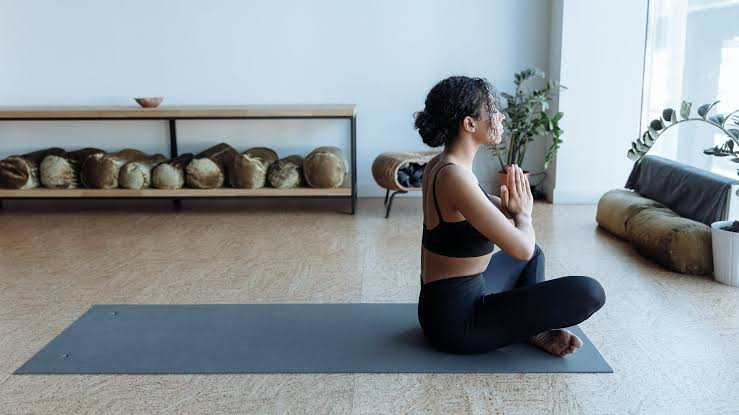
Antarvafna is a term used online to describe awareness within, inner perception, inward reflection, and the calm practice of observing thoughts, emotions, feelings, and personal reactions. In simple language, antarvafna can be understood as the process of looking inward instead of always searching for answers in the outside world.
The idea is especially relevant today. Modern life is filled with notifications, social media, work demands, entertainment, news, and constant communication. People often have very little quiet time to notice what they are thinking or feeling. Antarvafna offers a simple alternative: pause, observe, understand, and respond with greater awareness.
It is important to make one distinction at the beginning. The exact word “antarvafna” does not appear to have a well-established, widely documented definition in major English dictionaries or easily verifiable classical reference sources. Current online articles use the word in several different ways. Some describe it as inner awareness or observation, while others describe it as inner conflict, inner reflection, or inward movement.
For that reason, this article uses the meaning supplied in the topic brief and the most consistent modern usage: antarvafna as awareness within or inner perception. Claims that the exact term is a documented ancient Sanskrit technical term should be treated carefully unless supported by reliable primary linguistic or historical evidence.
This distinction does not make the idea less useful. The broader practice of self-observation, contemplation, mindfulness, introspection, and self-inquiry has a long history across many cultures and philosophical traditions.
What Is Antarvafna?
Antarvafna can be defined in simple terms as the practice of turning attention inward and becoming aware of what is happening inside.
This can include:
- Observing thoughts
- Noticing emotions
- Sensing physical feelings
- Recognizing repeated mental patterns
- Understanding personal reactions
- Examining beliefs and values
- Noticing impulses before acting on them
- Creating space between a feeling and a response
- Developing greater self-awareness
The central idea is observation rather than immediate reaction.
For example, imagine that someone sends you a message that makes you angry. A normal automatic response might be to reply immediately. An antarvafna approach would create a short pause.
You might notice:
“I am angry.”
Then you might notice:
“My chest feels tight.”
Then:
“I want to respond quickly because I feel criticized.”
That small amount of awareness can change what happens next.
Instead of reacting automatically, you have an opportunity to choose your response.
This is one of the most useful ways to understand antarvafna. It does not require a person to eliminate thoughts or emotions. Instead, it encourages a person to notice them more clearly.
Antarvafna Meaning in Simple English
The simplest meaning of antarvafna is inner awareness.
It can also be described as:
“Looking within to understand your thoughts, feelings, reactions, and inner experience.”
This meaning makes antarvafna closely related to concepts such as self-awareness, introspection, mindfulness, contemplation, emotional awareness, and self-reflection.
However, these terms are not identical.
Self-awareness is the broader ability to recognize your own thoughts, emotions, behaviors, strengths, weaknesses, and motivations.
Introspection usually means examining one’s own mental and emotional experience.
Mindfulness commonly involves paying attention to present-moment experience with a nonjudgmental attitude.
Antarvafna, as the term is currently used online, combines several of these ideas around the central theme of inward observation.
Why the Meaning of Antarvafna Is Difficult to Verify
One of the most important facts about antarvafna is that its online definition is not completely consistent.
Several websites describe it as inner observation or inner awareness. Others describe it as inner conflict or an internal struggle.
Other sources present it as “turning inward,” inner reflection, or an internal flow of awareness.
This creates an important digital-literacy lesson.
A word can become popular on websites before its history, spelling, linguistic origin, and traditional meaning have been properly established.
Search engines may return many pages repeating the same claim. That does not automatically make the claim historically accurate.
For antarvafna, readers should separate three things:
- The modern interpretation of the word.
- The broader philosophical ideas associated with it.
- Claims about its exact historical or Sanskrit origin.
The first two can be discussed meaningfully. The third requires stronger evidence.
Is Antarvafna a Sanskrit Word?
There are many online claims that antarvafna comes directly from Sanskrit. Some articles attempt to break the term into parts, usually connecting “antar” with meanings such as “inner” or “within.”
The word “antar” is indeed associated with the idea of “within” or “inner” in Sanskrit-related linguistic contexts. However, that does not by itself prove that the complete word “antarvafna” is a classical Sanskrit term with the exact meaning claimed online.
Also Read: Adswynk Com: Complete Guide to the Link Shortening and Monetization Platform
This is an important distinction.
A familiar linguistic element can be combined with an unfamiliar or newly formed expression. The resulting word may sound traditional without necessarily being a documented classical term.
Therefore, it is more accurate to say that antarvafna is currently used online as a term for inner awareness and related ideas, while the exact historical etymology remains uncertain.
This cautious approach is better than presenting an unsupported historical claim as fact.
Antarvafna and Inner Perception
Inner perception is at the heart of the modern interpretation of antarvafna.
People normally use their senses to understand the external world. They see objects, hear sounds, feel temperatures, and interact with other people.
Inner perception points attention toward internal experience.
You may notice:
- A feeling of nervousness
- A racing thought
- A sense of physical tension
- A sudden emotional reaction
- A repeated memory
- A desire to avoid something
- A feeling of confidence
- A change in mood
- A strong personal preference
The goal is not necessarily to explain everything immediately.
The first step is simply noticing.
This can be surprisingly difficult because people often move quickly from feeling to interpretation.
For example:
“I feel nervous” can quickly become “Something terrible will happen.”
Antarvafna encourages a person to notice the first statement before automatically accepting the second one as fact.
That difference can support clearer thinking.
How Antarvafna Works as an Inner Awareness Practice
A simple antarvafna practice can be based on five stages.
1. Pause
Stop for a moment.
You do not need to sit in a special position. A pause can happen while sitting at your desk, walking, waiting in a car, or preparing for bed.
2. Notice
Ask yourself what is happening inside.
What am I thinking?
What am I feeling?
What do I notice in my body?
3. Observe
Try to observe the experience without immediately judging it.
Instead of saying:
“I should not feel this.”
Try:
“This feeling is here right now.”
4. Understand
After observing, you can consider what may have triggered the experience.
Was there a conversation?
A memory?
A stressful event?
A fear about the future?
A personal expectation?
5. Respond
Finally, decide what action makes sense.
This final step is important. Inner awareness should not become endless thinking. The purpose is greater clarity, not permanent analysis.
Antarvafna vs. Meditation
Antarvafna and meditation are closely related, but they should not automatically be treated as identical.
Meditation is a broad category containing many different practices.
Some forms focus on breathing.
Some use a mantra.
Some involve visualization.
Some involve concentration.
Some involve open awareness.
Some have religious or spiritual purposes.
Antarvafna, as currently described online, focuses especially on inward observation and awareness of thoughts, feelings, and internal patterns. Several recent discussions distinguish it from meditation by emphasizing observation rather than concentrating on one specific object.
Still, the boundary is not absolute.
A person can use meditation as a method for developing the type of inner awareness associated with antarvafna.
The better question is not “Which one is correct?” but “What kind of attention am I practicing?”
Antarvafna vs. Mindfulness
Mindfulness generally means paying attention to present experience intentionally and with less judgment.
For example, a mindful person might notice:
“I am drinking coffee.”
They may notice the temperature, smell, taste, and physical sensations without becoming distracted by another thought.
Antarvafna places more emphasis on the internal landscape.
A person practicing inner awareness might notice:
“I am drinking coffee, but I am also worried about tomorrow’s meeting.”
Both approaches involve awareness.
The difference is emphasis.
Mindfulness can be broad and present-focused. Antarvafna is often presented as a more inward-looking process of observing one’s internal experience.
Antarvafna and Self-Awareness
Self-awareness is one of the clearest modern concepts connected to antarvafna.
A self-aware person is better able to recognize:
- What they are feeling
- Why they may be reacting
- What matters to them
- Which habits influence their behavior
- How their actions affect other people
- Where their strengths and limitations lie
For example, someone may notice that they become defensive whenever they receive feedback.
Without awareness, they may blame other people.
With awareness, they can ask:
“Why does criticism make me react this way?”
That question does not automatically solve the problem. But it creates a starting point.
The Role of Emotional Awareness in Antarvafna
Emotions contain useful information, but emotions are not always accurate instructions.
Anger may tell you that something feels unfair.
Fear may tell you that something feels uncertain.
Sadness may signal loss or disappointment.
Excitement may indicate that something matters to you.
But an emotion does not necessarily tell you what action to take.
Antarvafna can help separate the experience of an emotion from the decision that follows it.
For example:
“I feel angry” is an observation.
“I must send an angry message immediately” is an action.
The first does not require the second.
This distinction can be useful in relationships, work, education, and everyday decision-making.
Antarvafna and Overthinking
Inner awareness should not be confused with overthinking.
Overthinking often involves repeating the same question without reaching useful clarity.
A person might spend hours thinking:
“What if I made the wrong choice?”
“What if they are upset with me?”
“What if something goes wrong?”
This can create more stress instead of insight.
Healthy self-reflection is different.
It observes the thought, identifies the concern, and then asks whether an action is needed.
For example:
“I am worried about tomorrow’s presentation. I can prepare for thirty minutes tonight, then stop.”
That is reflection leading toward action.
Antarvafna is most useful when inner observation eventually supports practical living.
Antarvafna and Emotional Regulation
Emotional regulation means managing emotional responses in a healthy and appropriate way.
This does not mean suppressing emotions.
Suppression means pushing an emotion away without understanding it.
Awareness means recognizing the emotion and choosing how to respond.
A simple internal statement can be useful:
“I notice frustration.”
That is different from:
“I am a frustrated person.”
The first describes a temporary experience.
The second turns the experience into an identity.
This small difference can create psychological distance and make it easier to respond thoughtfully.
Potential Benefits of Antarvafna
Because the exact term is not well established in clinical research, it would be inappropriate to claim that “antarvafna” itself has been scientifically proven to produce specific medical outcomes.
However, the broader practices it resembles, including mindfulness, self-reflection, emotional awareness, and contemplative attention, have been studied in psychology and health research.
Potential practical benefits may include:
Greater Self-Awareness
Regular reflection can help people understand their habits and reactions.
Better Emotional Vocabulary
When people pay attention to feelings, they may become better at identifying and describing them.
More Deliberate Decisions
A pause between impulse and action can create room for better decision-making.
Improved Awareness of Stress
People may become more aware of early signs of stress, such as muscle tension, irritability, racing thoughts, or difficulty concentrating.
More Thoughtful Communication
Recognizing your emotional state before speaking can reduce unnecessary reactions.
Greater Personal Clarity
Reflection can help people identify priorities, values, and goals.
These are reasonable possibilities, not guaranteed medical outcomes.
Antarvafna in Daily Life
Antarvafna does not need to be limited to formal meditation sessions.
It can become part of ordinary activities.
Morning Reflection
Before checking your phone, spend a few minutes noticing your mental state.
Ask:
“How do I feel this morning?”
“What is occupying my mind?”
“What matters most today?”
During Work
Before beginning a difficult task, notice whether you are feeling:
- Tired
- Distracted
- Worried
- Motivated
- Frustrated
Knowing your starting state can help you choose a better strategy.
Before Difficult Conversations
Pause before responding.
Notice your emotional state.
Ask what outcome you actually want.
Then speak.
During a Walk
Instead of listening to constant content, spend part of the walk noticing your surroundings and internal experience.
Before Sleep
Review the day without turning the review into self-criticism.
Ask:
“What went well?”
“What was difficult?”
“What did I learn?”
“What can I do differently tomorrow?”
A Simple 10-Minute Antarvafna Practice
Beginners do not need a complicated routine.
Try this simple approach.
Minute 1: Settle
Sit comfortably.
Relax your shoulders.
Allow your breathing to remain natural.
Minutes 2–3: Notice the Body
Notice physical sensations.
Do not try to change them.
Minutes 4–5: Notice Thoughts
Allow thoughts to appear.
Do not chase every thought.
Simply notice that thinking is happening.
Minutes 6–7: Notice Emotions
Ask what emotion is present.
It may be calmness, boredom, worry, happiness, frustration, or something else.
There is no requirement to feel peaceful.
Minutes 8–9: Ask One Question
Use a simple question such as:
“What needs my attention right now?”
Do not force an answer.
Minute 10: Return to Life
Open your eyes if they were closed.
Take one final breath.
Choose one practical action based on what you noticed.
The final step prevents reflection from becoming disconnected from daily life.
Antarvafna Journaling
Writing can support inner awareness.
You do not need to write pages.
A few sentences can be enough.
Try prompts such as:
“What am I feeling right now?”
“What thought keeps returning?”
“What situation affected me today?”
“What did I avoid?”
“What matters most to me?”
“Did my actions match my values?”
“What do I need to accept?”
“What can I change?”
The purpose is not to create a perfect diary.
Also Read: Fentomagazine.com: A Complete Guide to the Online Magazine
The purpose is to make internal experience easier to observe.
Antarvafna and Decision-Making
Inner awareness can be useful when making difficult choices.
Suppose you receive two job offers.
One has higher pay.
The other provides better flexibility.
Instead of asking only:
“Which job is better?”
you might also ask:
“What kind of life do I want?”
“What am I afraid of losing?”
“Am I choosing based on my values or outside pressure?”
“Which option creates a life I can realistically sustain?”
This is where inner perception becomes practical.
The answer does not have to come from emotion alone. Good decisions can combine internal awareness with facts, evidence, financial considerations, advice, and long-term planning.
Antarvafna and Relationships
Relationships often reveal our internal patterns.
A person may repeatedly become defensive.
Another person may avoid difficult conversations.
Someone else may seek constant reassurance.
Inner awareness can help identify these patterns.
Instead of only asking:
“What is wrong with the other person?”
a person can also ask:
“What happens inside me during this situation?”
This does not mean accepting blame for everything.
Healthy reflection includes both personal responsibility and recognition of external problems.
A difficult relationship may involve genuine mistreatment. Looking inward should never be used as a reason to ignore abuse, manipulation, discrimination, or unsafe behavior.
Antarvafna in the Workplace
Inner awareness can be valuable in professional settings.
Imagine receiving negative feedback from a manager.
The first reaction may be embarrassment or anger.
An antarvafna-style pause might involve noticing:
“I feel defensive.”
Then:
“I am worried this feedback means I am failing.”
Then:
“What part of the feedback is useful?”
This does not mean accepting every criticism as correct.
Instead, it helps separate emotional reaction from useful information.
Leaders can also benefit from this approach.
A leader who notices their own frustration may be less likely to make impulsive decisions that affect an entire team.
Antarvafna and Creativity
Creativity often requires quiet mental space.
Constant stimulation can make it difficult to notice subtle ideas.
Inner observation can help people recognize thoughts before they disappear.
Writers, designers, artists, researchers, entrepreneurs, and other creative workers may benefit from periods of quiet reflection.
The goal is not to force creativity.
It is to create enough mental space for ideas to emerge.
Antarvafna and Digital Life
The modern internet creates a unique challenge for inner awareness.
Many digital platforms are designed to keep attention moving.
One video leads to another.
One notification leads to another.
One argument leads to another.
This can create a habit of looking outward continuously.
A practical form of antarvafna can therefore include intentional digital pauses.
For example:
- Take short phone-free periods.
- Turn off unnecessary notifications.
- Avoid checking social media immediately after waking.
- Spend some time without background entertainment.
- Notice how you feel after extended scrolling.
- Ask whether online content is helping or draining you.
This is not an argument against technology.
Technology can be useful, educational, social, and entertaining.
The goal is to use technology intentionally rather than automatically.
Antarvafna and Spirituality
Inner awareness can have a spiritual dimension for people who choose to approach it that way.
Different religious and philosophical traditions have long explored questions about consciousness, self-knowledge, moral responsibility, and the nature of the inner life.
However, antarvafna should not automatically be assigned to one religion.
The current online use of the word draws comparisons with Indian philosophical traditions, meditation, self-inquiry, and contemplative practices, but the exact historical relationship between the word itself and specific ancient traditions remains difficult to verify.
This distinction allows people to explore the concept respectfully without making unsupported historical claims.
Antarvafna and Psychology
Psychology has many established concepts that overlap with inner awareness.
These include:
- Metacognition
- Emotional awareness
- Self-reflection
- Self-monitoring
- Interoception
- Cognitive reappraisal
- Mindfulness
- Emotional regulation
Metacognition is especially relevant because it involves thinking about one’s own thinking.
For example:
“I am having the thought that I might fail.”
This is different from:
“I will fail.”
The first statement recognizes a thought as a mental event.
That kind of awareness can support more flexible thinking.
What Antarvafna Is Not
Understanding what antarvafna is not can prevent confusion.
It Is Not a Magic Solution
Inner observation cannot solve every life problem.
Financial problems, medical conditions, relationship conflicts, legal problems, and other serious issues often require practical action and professional support.
It Is Not Mind Control
The goal is not to control every thought.
Thoughts naturally come and go.
It Is Not Emotional Suppression
You do not need to pretend that difficult feelings do not exist.
It Is Not Endless Rumination
Reflection should lead toward understanding rather than repetitive worry.
It Is Not a Replacement for Therapy
If someone is experiencing serious psychological distress, professional mental health care may be appropriate.
It Is Not a Test of Spiritual Worth
There is no need to compare your inner experience with another person’s.
Possible Challenges of Practicing Antarvafna
Looking inward can sometimes feel uncomfortable.
When distractions disappear, difficult thoughts may become more noticeable.
A person might discover:
- Unresolved anger
- Fear
- Grief
- Shame
- Regret
- Uncertainty
- Conflicting goals
This does not mean the practice is failing.
However, it also does not mean discomfort should always be pushed through.
If reflection causes severe distress, panic, traumatic memories, or significant disruption to daily life, it may be better to stop the exercise and seek qualified professional support.
Self-awareness should be approached with care.
Antarvafna and Mental Health: An Important Safety Note
Antarvafna should be treated as a reflective or contemplative idea, not as a medical treatment.
It should not be presented as a cure for anxiety disorders, depression, trauma, addiction, or other mental health conditions.
A person with serious symptoms should consider speaking with a licensed mental health professional.
For people already receiving treatment, reflective practices may sometimes complement professional care, but they should not replace prescribed treatment without guidance from a qualified clinician.
The safest approach is balanced:
Look inward, but do not become isolated.
Reflect, but do not endlessly ruminate.
Listen to yourself, but also seek reliable external information.
How to Practice Antarvafna Safely
A safe approach is simple.
Start with short sessions.
Five to ten minutes may be enough.
Keep your attention connected to the present.
Do not force memories to appear.
Do not treat every thought as a fact.
Do not assume every physical sensation has a deep psychological meaning.
Do not make major life decisions based only on a temporary emotion.
And remember that asking another person for help is not a failure of inner awareness.
Sometimes the most self-aware decision is recognizing that you need support.
Common Misunderstandings About Antarvafna
One common misunderstanding is that inner awareness means having no negative thoughts.
It does not.
Another is that a person should always feel calm.
They will not.
Another is that every emotion contains a hidden truth.
Emotions can provide information, but they can also be influenced by fatigue, stress, memories, expectations, physical conditions, and other factors.
Another misunderstanding is that looking inward means ignoring the outside world.
It should be the opposite.
The purpose of awareness is to interact with the outside world more thoughtfully.
Antarvafna as a Modern Digital Search Term
From an SEO and digital-literacy perspective, antarvafna is interesting because it is a relatively uncommon search term with inconsistent online explanations.
Searchers may encounter pages describing it as:
- Inner awareness
- Inner perception
- Inner reflection
- Self-observation
- Spiritual growth
- Inner conflict
- Meditation
- Consciousness
- Self-inquiry
This variation means readers should compare sources rather than accepting the first explanation they see.
A page ranking highly in Google is not automatically a historical authority.
When researching an unfamiliar word, check:
- Who published the information?
- Is there an identifiable author?
- Are primary sources provided?
- Are historical claims supported?
- Does another independent source confirm the claim?
- Is the website selling something?
- Does the article clearly separate facts from interpretation?
These questions are useful far beyond antarvafna.
Why Searchers May Be Interested in Antarvafna
People may search for antarvafna because they are interested in self-awareness, meditation, spirituality, emotional clarity, personal growth, or unfamiliar philosophical terminology.
Some may have encountered the word through social media.
Others may have seen it in an article, video, discussion, or search result.
Some may simply want to know:
“What does antarvafna mean?”
This makes informational content especially important.
When a term is unfamiliar, the best explanation should provide context without pretending that uncertain claims are established facts.
Antarvafna and Information Quality
The internet contains a large amount of content about emerging or obscure terms.
Some articles are carefully researched.
Others repeat information from earlier pages.
This creates what can be called a repetition loop.
Website A publishes a claim.
Website B copies the idea.
Website C summarizes Website B.
Website D cites Website C.
After enough repetition, the original claim may look authoritative even though it came from a single uncertain source.
Antarvafna is a useful example of why readers should distinguish popularity from evidence.
The number of websites repeating an explanation is not the same as proof of historical accuracy.
How to Explain Antarvafna to a Beginner
If you need to explain antarvafna to someone in one sentence, say:
“Antarvafna is a way of describing inward awareness—pausing to notice and understand your thoughts, feelings, and inner experience.”
If you need a slightly longer explanation:
“Antarvafna refers to the practice or idea of looking within, observing thoughts and emotions without immediately reacting, and using that awareness to develop greater clarity and self-understanding.”
This explanation is simple, practical, and avoids unsupported historical claims.
A Practical Antarvafna Exercise for Beginners
Here is a simple exercise anyone can try.
Sit somewhere comfortable.
Take a few natural breaths.
Ask yourself:
“What is happening inside me right now?”
Do not search for the perfect answer.
Maybe you feel tired.
Maybe you feel excited.
Maybe you feel nothing obvious.
Maybe your mind is busy.
Notice it.
Then ask:
“What thought has my attention?”
Observe the thought.
Next ask:
“What feeling is connected to it?”
Notice the emotion.
Then ask:
“What do I need to do next?”
Choose one practical action.
The entire exercise can take less than five minutes.
The goal is not to discover a profound truth every time.
The goal is to practice noticing.
How Antarvafna Can Become a Daily Habit
Consistency is usually more useful than intensity.
A person does not need to spend an hour every day examining their mind.
Instead, create small moments of awareness.
For example:
Morning: notice your mental state.
Afternoon: pause before an important decision.
Evening: reflect on one meaningful event.
Before sleep: identify one thing you learned.
Over time, these small pauses can become part of normal life.
The practice then becomes less about sitting quietly and more about living with greater awareness.
Antarvafna and Personal Growth
Personal growth is not simply becoming more positive.
Real growth can involve recognizing uncomfortable truths.
You may discover that you avoid difficult conversations.
You may notice that approval from others strongly influences your choices.
You may realize that you often say yes when you want to say no.
You may find that you are pursuing a goal mainly because other people expect it.
These discoveries can be uncomfortable.
But awareness creates the possibility of change.
The important word is possibility.
Awareness alone does not guarantee transformation.
Action is required.
The Difference Between Awareness and Self-Criticism
One of the biggest risks in self-reflection is turning observation into judgment.
For example:
“I noticed that I became jealous.”
This is awareness.
“I am a terrible person because I became jealous.”
This is self-criticism.
The first statement creates space for learning.
The second can create shame.
Antarvafna is most useful when observation is honest but compassionate.
You can recognize a mistake without turning the mistake into your identity.
Antarvafna and the Idea of the Inner Observer
Many descriptions of antarvafna use the idea of an observer.
The observer is the part of awareness that notices thoughts rather than automatically becoming involved in every thought.
Imagine watching clouds move across the sky.
The clouds change.
The sky remains.
In a similar metaphor, thoughts and emotions can change while awareness notices them.
This is a philosophical and experiential metaphor, not a claim that the human mind literally contains a separate observer.
That distinction matters because spiritual language and scientific language should not be confused.
Can Antarvafna Improve Decision-Making?
It may support better decisions when combined with evidence and practical reasoning.
Before making an important choice, consider three layers:
Facts
What do I actually know?
Feelings
What am I experiencing emotionally?
Values
What matters most to me?
Then consider:
“What action makes sense when I look at all three?”
This approach is stronger than relying only on emotion or only on cold analysis.
Inner perception provides information.
It does not replace critical thinking.
Antarvafna in American Life
For a U.S. audience, antarvafna can be understood without requiring a specific religious or cultural background.
Also Read: SosoActive Co: Complete Guide to Digital Marketing, Business & Technology
Americans may encounter similar practices through:
- Mindfulness programs
- Yoga classes
- Therapy
- Journaling
- Meditation apps
- Workplace wellness programs
- Personal development books
- Religious reflection
- Secular self-improvement
- Nature walks
- Digital detox routines
The terminology may change, but the broader human question remains similar:
“What is happening inside me, and how does it affect the way I live?”
That question is universal.
Frequently Asked Questions About Antarvafna
What does antarvafna mean in one sentence?
Antarvafna can be understood as inner awareness or the practice of looking inward to notice thoughts, feelings, sensations, and personal reactions.
Is antarvafna a religion?
No clear evidence establishes antarvafna as a religion. The term is currently used online in spiritual, philosophical, wellness, and self-awareness contexts.
Is antarvafna scientifically proven?
The exact term antarvafna is not well established as a standardized scientific intervention. However, related practices such as mindfulness, self-reflection, and emotional awareness have been studied in psychology and health research.
Is antarvafna the same as introspection?
Not exactly. Introspection is a broad psychological process of examining one’s own thoughts and experiences. Antarvafna is a newer and less standardized term that is often used to describe a similar inward-looking process.
Can antarvafna be practiced without meditation?
Yes. You can practice inner awareness while journaling, walking, sitting quietly, or pausing during everyday situations. Formal meditation is not required.
How often should someone practice antarvafna?
There is no universally established schedule. A beginner can start with a few minutes several times a week and adjust based on personal comfort.
Can children learn inner awareness?
Age-appropriate emotional awareness can be useful for children, but practices should be simple and suitable for their developmental level. Parents, teachers, or qualified professionals can help guide children.
Can antarvafna help with workplace stress?
Reflective practices may help a person recognize stress signals and emotional reactions. However, workplace stress may also require practical changes such as workload adjustments, communication, boundaries, or professional support.
Can antarvafna replace professional therapy?
No. Inner reflection should not be treated as a replacement for licensed mental health care when professional treatment is needed.
Does antarvafna require a special place?
No. A quiet location can make practice easier, but inner awareness can also be practiced during normal daily activities.
Can antarvafna be practiced while walking?
Yes. Walking can provide a useful setting for noticing thoughts, emotions, breathing, and physical sensations.
Is every thought during antarvafna meaningful?
No. Human minds produce many thoughts. Some are useful, while others are random, repetitive, or influenced by temporary conditions such as stress or fatigue.
Can antarvafna make someone more self-critical?
It can if the practice is approached as constant judgment. A healthier approach is curious observation without turning every mistake into a negative statement about personal worth.
Why does the word antarvafna have different meanings online?
The term is uncommon and appears to have inconsistent online usage. Different websites describe it as inner awareness, inner reflection, inward observation, or inner conflict.
How can I research the history of antarvafna responsibly?
Look for primary linguistic sources, established Sanskrit dictionaries, academic publications, and credible historical references. Do not assume that repeated claims on wellness blogs prove an ancient origin.
Can antarvafna be useful for personal journaling?
Yes. Journaling can provide a practical way to record thoughts, feelings, questions, and patterns noticed during inward reflection.
What should someone do if inner reflection becomes overwhelming?
Stop or shorten the practice, return attention to the present environment, speak with a trusted person, and consider professional support if distress continues or interferes with daily life.
Conclusion: Understanding the Real Value of Antarvafna
Antarvafna offers a simple idea for a complicated world: pay attention to what is happening inside you.
Modern life makes it easy to focus almost entirely on external information. We check messages, respond to notifications, compare ourselves with other people, consume endless content, and move quickly from one task to another.
In that environment, inner awareness can be valuable.
Antarvafna encourages a pause between experience and reaction. It invites people to notice thoughts without automatically believing them, experience emotions without immediately acting on them, and examine personal patterns without turning reflection into self-judgment.
Its greatest practical value may not be achieving permanent peace. A more realistic goal is developing greater clarity.
You may still become angry.
You may still worry.
You may still make mistakes.
You may still experience uncertainty.
But with stronger awareness, you may become better at noticing what is happening before choosing what to do.
That is the useful lesson behind antarvafna.
At the same time, responsible information matters. Because the exact term has inconsistent definitions online, it should not be presented as an unquestionably documented ancient practice or scientific treatment. Instead, it is more accurate to understand antarvafna as a modern, loosely defined expression centered on inner awareness and perception, while recognizing that many of the underlying ideas have parallels in established contemplative and psychological traditions.
Ultimately, looking inward is not about escaping the world.
It is about understanding yourself well enough to participate in the world more thoughtfully.
For anyone interested in self-awareness, emotional clarity, mindful living, or personal reflection, antarvafna provides a useful starting point: stop for a moment, notice what is within, learn from what you find, and then return to life with greater clarity.